 John
Small condiment bottles can influence much more than table appearance. Portion size, dispensing control, flavor concentration, and packaging format all affect how soy-based seasonings are used in restaurants and at home. A thoughtful soy sauce supplier considers these practical details alongside taste, particularly when the seasoning is intended for sushi, sashimi, seafood, or other dishes where excessive sauce can easily overpower delicate ingredients. JOLION Foods provides condiment options that reflect the connection between formulation, serving format, and everyday food presentation.
Portion Control and Flavor Balance
Sushi and sashimi rely heavily on ingredient freshness and subtle flavor differences. Soy seasoning should complement those characteristics rather than obscure them with excessive saltiness. Smaller containers can encourage more controlled use, allowing diners to add sauce gradually according to the type of seafood being served.
Portion size also affects restaurant operations. A compact bottle can be placed directly beside an individual setting, reducing the need for large shared containers. This arrangement can make service more organized while giving diners greater control over consumption.
Flavor concentration becomes particularly important in this context. Seasoning designed for direct dipping needs a profile that remains recognizable in small quantities. A soy sauce supplier developing foodservice formats may need to consider serving habits, bottle capacity, dispensing speed, and the culinary role of the seasoning at the same time.
Packaging Design for Sushi Service
Glass offers several practical characteristics for condiment packaging. Its rigid structure provides a stable container, while its transparent appearance allows users to see the remaining quantity and the reddish-brown tone of the seasoning. These visual cues can also contribute to product recognition on a restaurant table or retail shelf.
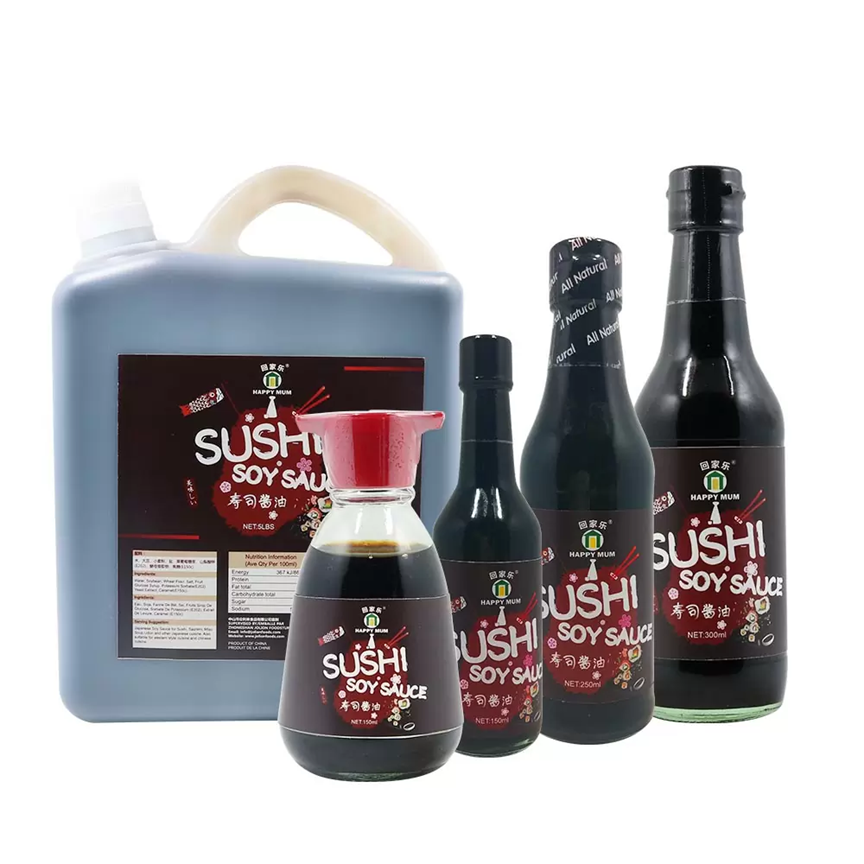
The supplied product specification features a 200ml glass bottle designed for Japanese-style sushi seasoning. It is described for sushi and sashimi, with additional applications including seafood, dressings, and stir-fry cooking. The compact format gives the seasoning a clear connection with portion-controlled table service.
Packaging dimensions can also influence storage and replenishment. Restaurants with limited counter space may prefer smaller containers that are easy to position, refill, or replace. JOLION Foods offers this type of Japanese-style seasoning format as part of its condiment range, illustrating how package design can be linked to the intended culinary environment.
Pairing Soy Seasoning With Seafood
Different seafood varieties respond differently to salty and savory flavors. Fatty fish may tolerate a more pronounced seasoning profile, while delicate white fish can be overwhelmed more easily. Diners may consequently adjust dipping quantities according to the texture, richness, and natural flavor of the seafood.
Temperature matters as well. Chilled sashimi releases aroma differently from hot cooked seafood, so the same seasoning can produce different sensory impressions depending on the dish. This explains why versatility is valuable even in a condiment primarily associated with sushi.
Beyond direct dipping, soy-based seasoning can become part of a wider recipe. Seafood marinades, salad dressings, vegetable preparations, and stir-fries all introduce different dilution and heating conditions. A flexible soy sauce supplier can support these applications by considering how the seasoning behaves outside its most familiar use.
Dispensing Behavior and Foodservice Efficiency
Bottle design affects how easily a diner can control each portion. An opening that releases too much liquid can create unnecessary waste, while a highly restricted opening may make the seasoning frustrating to use. Flow behavior should correspond with the viscosity of the condiment and the expectations of the target application.
Restaurant environments introduce additional considerations. Bottles are handled repeatedly, moved between tables, and exposed to different storage conditions throughout service. A practical package should be comfortable to grip and straightforward to position without taking excessive space.
For distributors and foodservice buyers, packaging consistency can matter just as much as visual appeal. Standardized bottle specifications make it easier to plan storage, transportation, and purchasing volumes. JOLION Foods can serve commercial condiment requirements through supply and customization options, allowing packaging decisions to be considered alongside intended use.
From Table Condiment to Culinary Ingredient
Japanese-style soy seasoning has applications beyond the traditional dipping dish. Its savory character can support marinades, seafood preparations, dressings, vegetable dishes, and stir-fried recipes. Such versatility gives restaurants opportunities to use one seasoning format across multiple menu components.
Recipe development benefits from understanding dilution. A sauce used directly on sashimi remains relatively concentrated, whereas a dressing may combine it with vinegar, oil, citrus juice, or other ingredients. Cooking introduces another variable because heat changes aroma release and can concentrate or redistribute flavors.
This broader perspective also helps buyers evaluate commercial products more accurately. Instead of considering bottle size or flavor in isolation, purchasing teams can examine how packaging, sensory characteristics, and culinary applications fit their actual service model. A capable soy sauce supplier can provide useful specifications that support those decisions.
Conclusion
The humble condiment bottle sits at the intersection of flavor, portion management, presentation, and foodservice practicality. A 200ml format, for example, can suit individual table service while remaining useful for several seafood and cooking applications. Careful consideration of dispensing behavior and packaging can complement the sensory qualities of the seasoning rather than competing with them.
JOLION Foods provides Japanese-style seasoning options that connect these considerations with commercial condiment supply and customization. Buyers evaluating a soy sauce supplier can consequently look beyond the seasoning itself and assess how the complete format performs within real dining situations.

 SEO
 Baniza