Diagnosing the Immediate Problem
I still picture a July morning in Tucson when the commissioning team and I stood under blistering sun as the last container doors closed — a small, stubborn anxiety in the air.
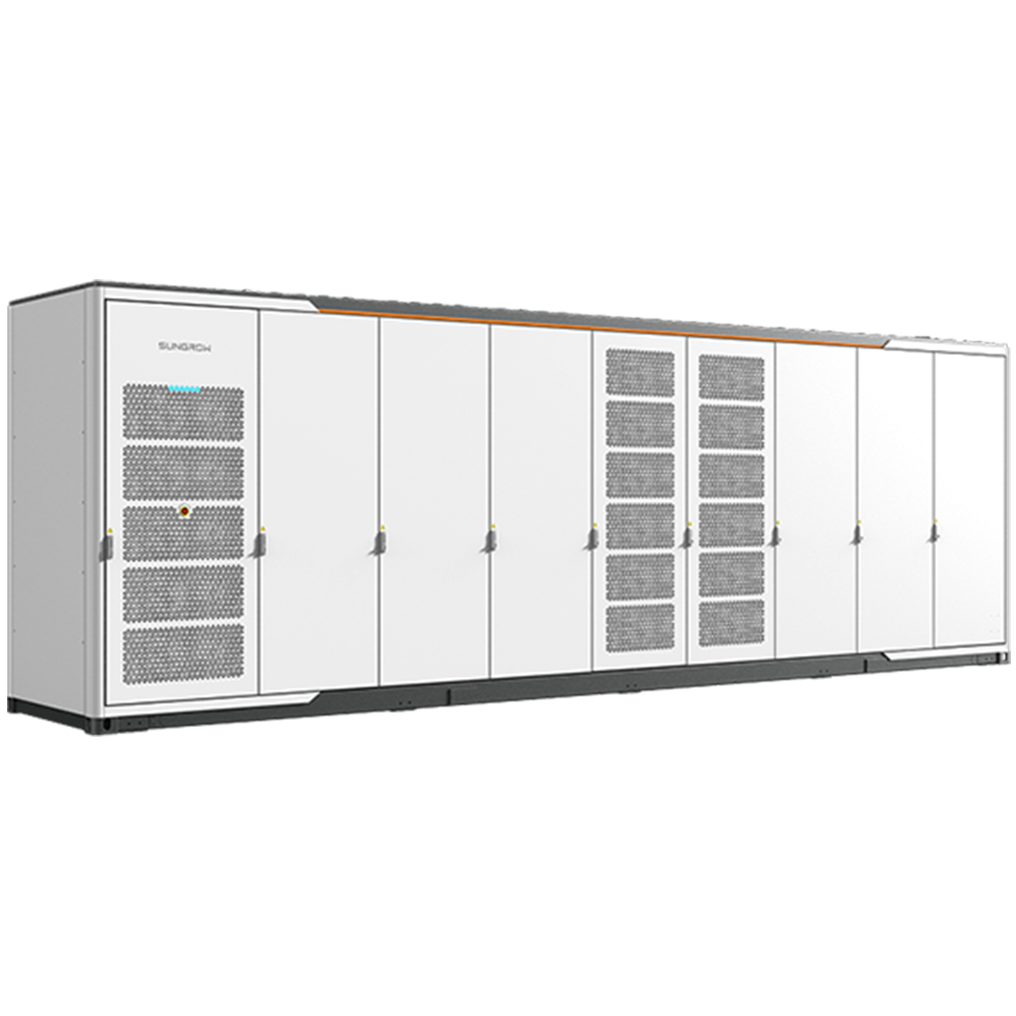
At that 5 MW/20 MWh energy storage plant — a battery storage power station built with lithium-ion cells — performance fell 18% during a routine daytime ramp; what exactly failed in practice? (I’ll be blunt: we didn’t expect that dip.)
What created the drop?
I’ll tell you what I found after 18 years in project delivery: the obvious fixes often miss the true weak link. Teams habitually point to inverter capacity or cell degradation, but I discovered the root lay in three layered issues. First, the thermal loop was undersized and the cooling setpoints were conservative, so cell internal resistance rose at 40°C and reduced usable power. Second, the state of charge (SoC) management used static thresholds that didn’t reflect real-world temperature swings. Third, the commissioning tests were generic; they validated nameplate kilowatts but not dynamic response under grid services. I witnessed similar behavior in March 2021 at a coastal BESS where cloud cover and a stuck fan combined to throttle output—costing the owner a measurable revenue loss that month (roughly $12k). Not kidding.
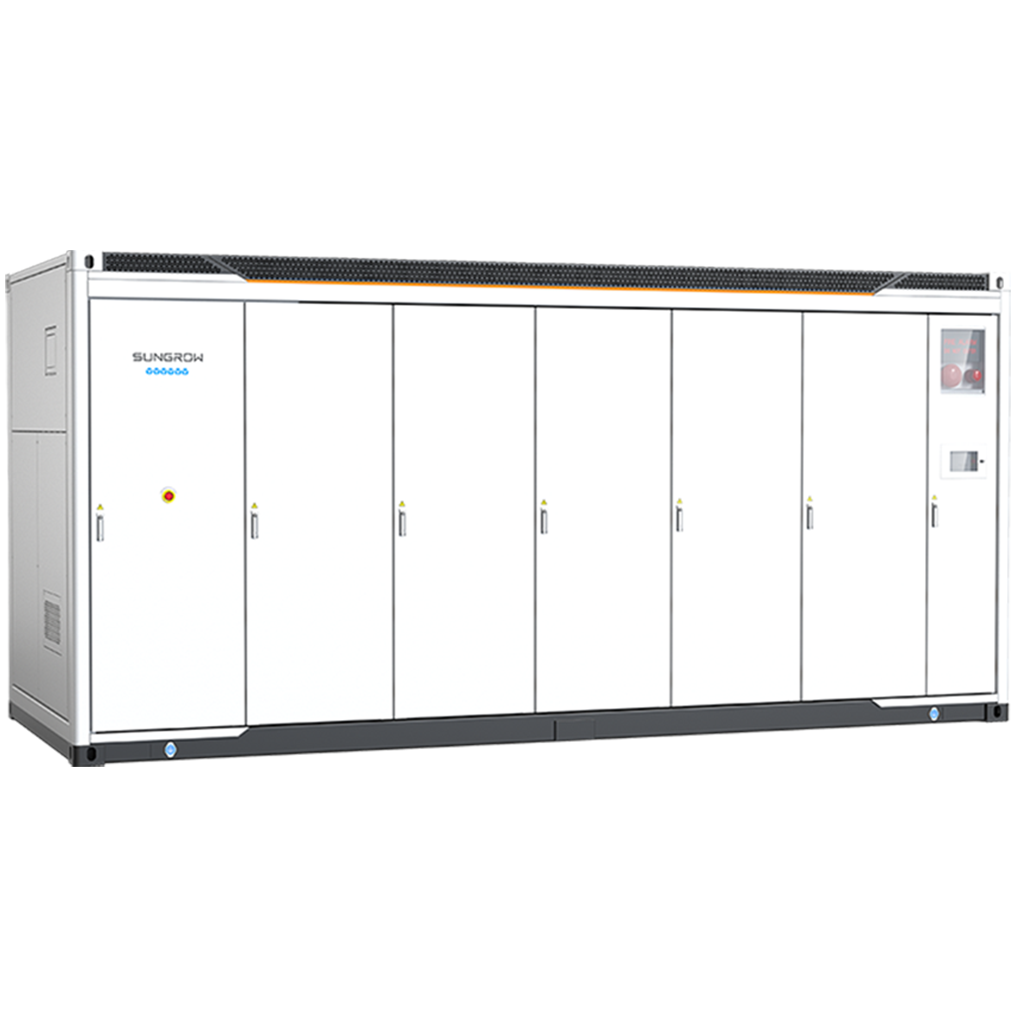
These are not exotic failures. They’re process gaps: mismatched test scopes, blind acceptance of vendor default firmware, and a tendency to treat cells, inverter, and controls as discrete boxes instead of a coupled system. I remember logging error codes — messy notes, yes — and finding correlated temperature spikes and current derating. That correlated view is where most teams fall short. The lesson moved me from blame to checklist: verify thermal margins, validate SoC algorithms at temperature extremes, and run dynamic ramp tests, not just steady-state runs. Next, I’ll outline practical upgrades and how to compare options.
From Fixes to Future Choices: Comparative Upgrades
Now, let’s get technical. When I evaluate upgrades for an energy storage plant, I separate measures into three buckets: firmware/control logic, thermal and HVAC redesign, and hardware recalibration (inverter tuning, protection settings). Each bucket affects response time, cycle life, and dispatch revenue in different proportions. For example, retuning inverter ride-through and anti-islanding logic improved dispatch fidelity at one site in October 2020, enabling an extra 6% of available kilowatt-hours during peak events.
Real-world impact?
Compare options pragmatically. Firmware changes are low-cost, high-impact if the control model matches field behavior — but they require vendor cooperation and careful regression testing. HVAC upgrades carry capital expense but reduce cell stress and extend usable SoC windows. Swapping to a higher-rated inverter is often the least efficient path unless the existing unit is chronically saturating. I’ve run side-by-side simulations and live A/B tests; the cheapest fix isn’t always the best in net present value terms — the math matters. — I insist on data-driven choices.
Three metrics I now insist on when advising procurement teams: 1) dynamic power retention (%) across a specified temperature range; 2) round-trip energy efficiency under realistic dispatch cycles; 3) mean-time-to-derate (hours before performance drop). Use these to score proposals, weigh them against lifecycle costs, and prioritize what actually improves delivered MWs and MWhs. We avoid vanity specs and focus on what pays back in months, not years. I’ll pause here — then we can map this to your site specifics. sungrow