Ophthalmology is a specialized branch of medicine dedicated to the diagnosis, treatment, and prevention of eye disorders and diseases. It encompasses a wide range of services, from routine eye exams and vision correction to complex surgeries for serious ocular conditions. Ophthalmologists are medical doctors trained to manage both medical and surgical aspects of eye care, ensuring that patients maintain optimal vision throughout their lives. With the eyes being such a vital part of human functioning, the importance of ophthalmology in promoting overall well-being cannot be overstated. Through continuous advancements, this field has contrib 眼科中心 uted immensely to improving patients’ quality of life and preventing blindness in millions globally.
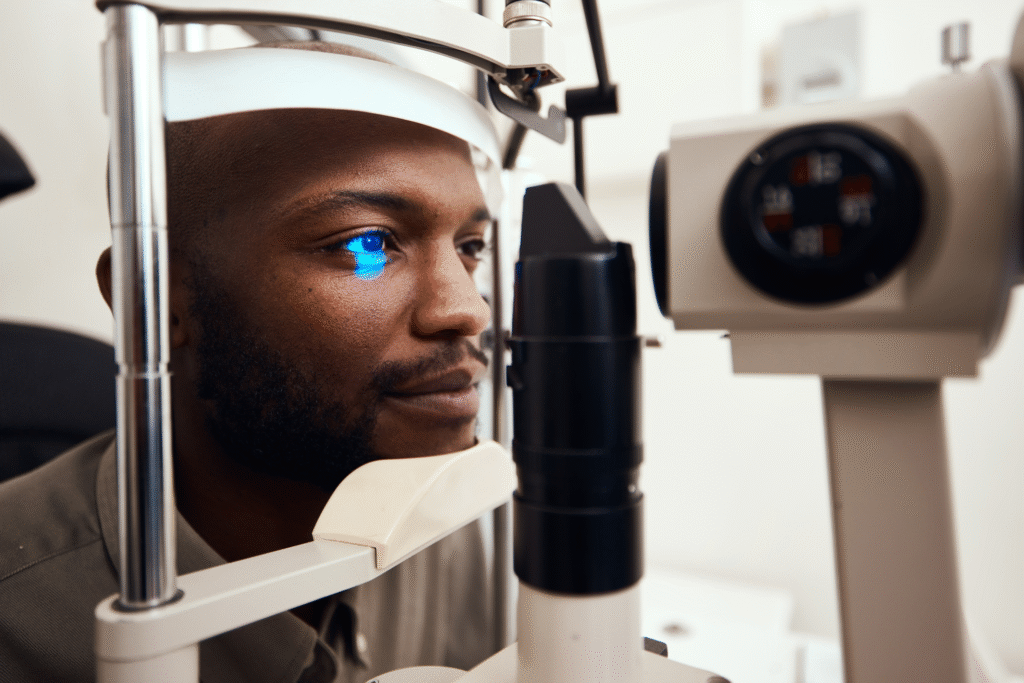
Modern ophthalmology is characterized by the use of cutting-edge technologies that enhance diagnostic precision and treatment outcomes. Tools such as optical coherence tomography (OCT), slit-lamp biomicroscopy, and fundus photography allow eye doctors to visualize the internal structures of the eye in remarkable detail. These innovations have revolutionized the early detection of diseases like glaucoma, diabetic retinopathy, and age-related macular degeneration. In the surgical realm, procedures like LASIK and cataract extraction with intraocular lens implantation have become commonplace, offering patients rapid recovery and excellent visual results. Robotics, lasers, and minimally invasive techniques continue to push the boundaries of what is possible in ophthalmic care.
Preventive eye care remains a core focus in ophthalmology, as many vision-threatening diseases develop gradually and without symptoms. Regular eye exams can detect early signs of conditions such as glaucoma, which causes irreversible damage if not treated promptly. Children, in particular, benefit from early screenings that can identify issues like amblyopia and strabismus, which, if corrected during developmental years, can preserve normal vision. Similarly, adults with chronic conditions such as diabetes and hypertension are encouraged to undergo routine ophthalmic evaluations, as these diseases often present ocular complications. Prevention through early detection is one of the most effective strategies for reducing the burden of visual impairment.
The scope of ophthalmology also extends to the management of eye-related manifestations of systemic diseases. Conditions like multiple sclerosis, rheumatoid arthritis, and thyroid dysfunction can affect the eyes in various ways, requiring careful monitoring and interdisciplinary collaboration. Ophthalmologists often work alongside endocrinologists, neurologists, and primary care physicians to provide comprehensive care. Eye trauma and infections are also areas where timely intervention by an ophthalmologist can mean the difference between preserving or losing vision. Whether it’s treating a corneal ulcer or repairing a retinal detachment, the expertise of ophthalmologists is crucial in handling emergencies that affect ocular health.
Research and development play a vital role in the evolution of ophthalmology. Scientists and clinicians are continually exploring new therapies, including gene editing and stem cell treatments, to address inherited and degenerative eye conditions. Innovations such as sustained-release drug implants and artificial retinas offer promising solutions for chronic diseases and irreversible blindness. Teleophthalmology is another growing aspect, providing remote diagnosis and management of eye conditions, especially in rural or underserved regions. By integrating artificial intelligence and machine learning into diagnostic platforms, ophthalmologists are now able to detect abnormalities with increased accuracy and speed, paving the way for more personalized and proactive patient care.
As the world’s population ages and the incidence of eye-related disorders rises, the demand for ophthalmic services will continue to grow. Public health initiatives and awareness campaigns are essential in educating people about the importance of regular eye care. Ophthalmology, as a medical discipline, stands at the intersection of science, technology, and human compassion, delivering life-changing results to patients across all ages. From correcting vision and treating disease to restoring sight in the blind, the field remains an indispensable part of modern medicine. Its commitment to innovation and excellence ensures that millions around the world can enjoy the gift of sight and lead independent, fulfilling lives.