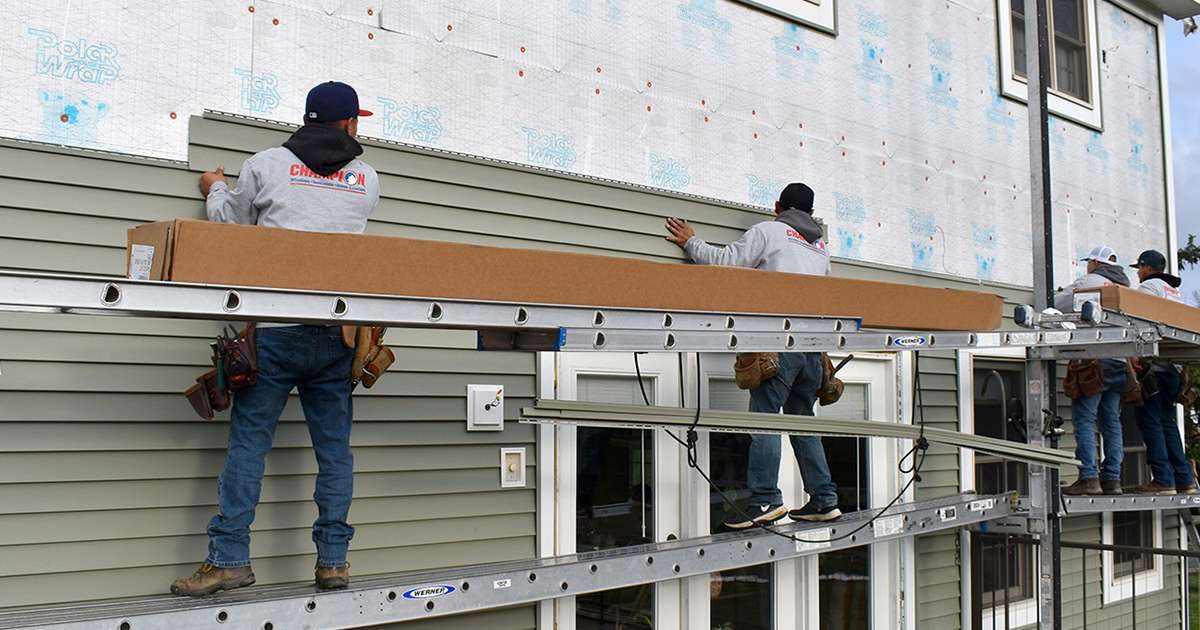
Siding installation is a critical component in both residential and commercial construction, offering siding installation protection against harsh weather conditions, improving energy efficiency, and enhancing the overall appearance of a building. In the United States, the siding market has seen a steady increase as homeowners and contractors prioritize durability, aesthetics, and long-term savings. Understanding the process, material options, and best practices is essential for anyone considering a siding upgrade or new construction project.
Understanding the Importance of Siding
Siding serves as the exterior shield of a building, defending against rain, wind, snow, and sun. Without proper siding, walls are exposed to moisture penetration, which can lead to structural damage, mold growth, and insulation inefficiencies. Contractors across the United States emphasize that well-installed siding can extend the life of a home while simultaneously boosting resale value. Beyond protection, siding also significantly contributes to curb appeal, allowing homeowners to achieve a style that complements their design vision.
Popular Materials for Siding Installation
Contractors recommend choosing siding materials based on climate, durability, maintenance needs, and budget. In the U.S., several options dominate the market:
- Vinyl Siding
Vinyl siding is the most widely used material in residential construction due to its affordability, low maintenance, and versatility. Available in various colors and textures, vinyl can mimic the appearance of wood without the associated upkeep. Leading construction firms in the United States often favor vinyl for its resistance to pests and rot. - Fiber Cement Siding
Fiber cement siding is a premium choice known for its durability and fire resistance. Made from a mixture of cement, sand, and cellulose fibers, it can withstand extreme weather conditions. Contractors report that fiber cement siding can last up to 50 years when properly installed, making it a cost-effective long-term investment. - Wood Siding
Wood siding offers a natural, classic look that appeals to homeowners seeking traditional aesthetics. However, wood requires regular maintenance, including staining or painting, to prevent decay and insect damage. In areas with moderate climates, U.S. contractors still frequently recommend wood for its timeless beauty and customization options. - Metal Siding
Metal siding, such as aluminum or steel, is growing in popularity for its durability and resistance to fire and pests. Commercial buildings, in particular, benefit from metal siding due to its low maintenance and modern appearance. Contractors note that proper installation is crucial to prevent dents and corrosion over time.
Steps in Professional Siding Installation
Correct siding installation is key to maximizing performance and longevity. U.S. contractors typically follow a structured process:
- Inspection and Preparation
The first step involves evaluating the existing exterior, checking for moisture damage, rot, or structural issues. Proper preparation ensures the new siding adheres correctly and prevents future problems. - Weather Barrier Installation
A weather-resistant barrier, such as house wrap, is applied to protect the underlying structure from moisture. Contractors emphasize that skipping this step can compromise insulation and lead to water damage. - Measuring and Cutting Materials
Precise measurements are taken to ensure the siding fits seamlessly. Each panel is cut to size using specialized tools, which helps maintain a clean and professional finish. - Attachment and Securing
Panels are attached to the wall frame using nails, screws, or clips, depending on the siding type. Contractors recommend leaving slight gaps for expansion and contraction to prevent warping. - Finishing Touches
Trim, corners, and caulking are added to seal edges and joints, providing both a polished appearance and additional protection from the elements.
Common Challenges and Solutions
Siding installation can present several challenges, especially for DIY enthusiasts. Contractors in the U.S. advise that improper installation can lead to issues such as water infiltration, buckling, or uneven alignment. Common pitfalls include:
- Poorly Prepared Surfaces: Moisture or debris on the existing walls can prevent siding from adhering properly. Professional contractors ensure all surfaces are clean and dry before installation.
- Incorrect Fastening: Overdriven or insufficient nails can compromise the siding’s integrity. Experts use specialized fasteners and spacing techniques to accommodate natural material expansion.
- Ignoring Weather Considerations: Installing siding during extreme temperatures can affect material flexibility. Contractors typically schedule installations during moderate weather for optimal results.
Maintenance Tips for Longevity
While modern siding materials are designed for durability, regular maintenance is essential. Contractors recommend periodic inspections to check for cracks, loose panels, or moisture accumulation. Cleaning siding with gentle detergents and water can remove dirt and mildew, especially for vinyl and fiber cement materials. Painting or sealing wood siding every few years ensures it remains protected against the elements.
Hiring a Professional Contractor
Choosing a reputable siding contractor in the United States is vital for a successful installation. Certified contractors bring expertise, proper tools, and experience to handle complex siding projects. They can recommend the best materials based on regional weather conditions and provide warranties for both labor and products. Homeowners are advised to research local contractors, check references, and compare quotes to ensure quality workmanship and fair pricing.
Conclusion
Siding installation is more than just an aesthetic upgrade; it is a critical investment in the protection, efficiency, and value of a property. With the wide range of materials available and the technical expertise required for proper installation, hiring experienced contractors ensures long-lasting results. Whether choosing vinyl for affordability, fiber cement for durability, or wood for timeless beauty, a well-installed siding system safeguards a building while elevating its overall appearance. In the United States, siding remains a cornerstone of modern construction, balancing function, style, and longevity.