The Decision Behind the Glow
Bold city nights are built on split-second choices. A sky laser turns a skyline into a living compass, pulling eyes and phones to one focal point. Picture an opening night: a plaza fills, traffic slows, and a beam carves clean lines through haze as drones and spotlights fall short. In recent festivals, planners reported longer dwell time and higher social share rates when the beam was the anchor—funny how that works, right? The reason is simple: precision and presence. With tight beam divergence, robust IP65 enclosures, and reliable power converters, the effect stays crisp even in wind or light fog. But the real question is this: what separates a wow-moment from a maintenance headache, and how do you make that call before you sign the invoice? That decision lives at the edge of optics and operations, where galvanometer scanners, thermal limits, and safety rules collide (no drama—just physics). Let’s break down the tradeoffs that matter and the gaps that often get missed, then stack them against what’s now possible.
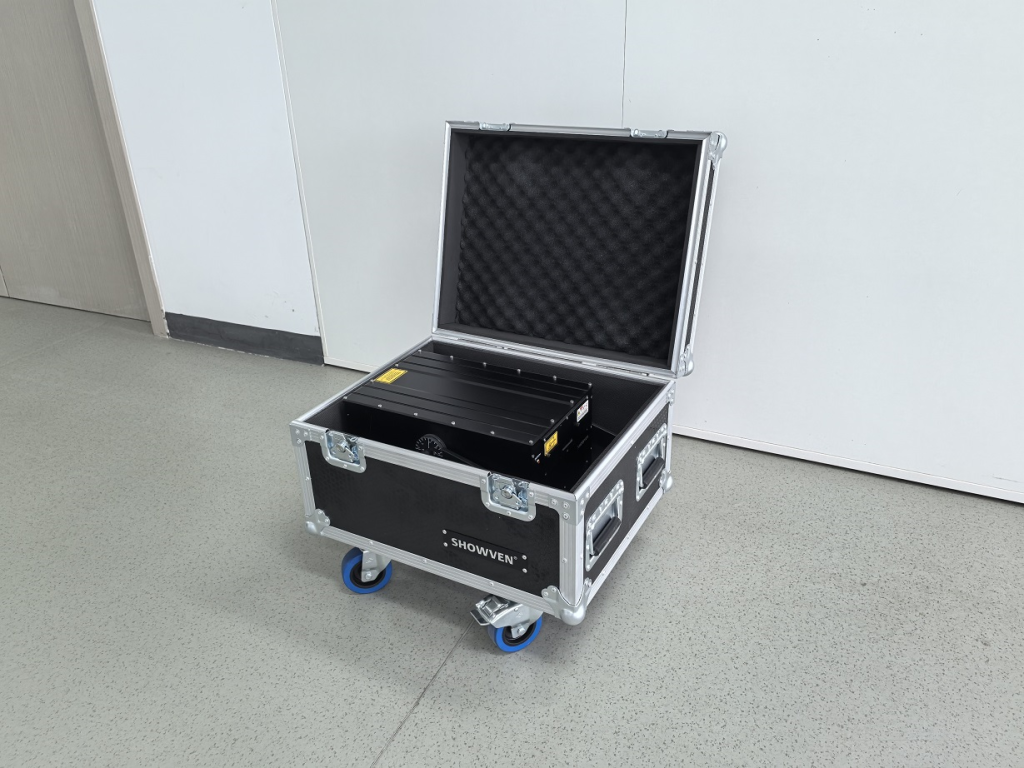
Under the Surface: The Real Constraints of Fixed Fixtures
Where do legacy rigs trip up?
The modern architectural laser isn’t only brighter; it’s built to solve the hidden drags that wear down teams and budgets. Traditional moving-head lights fight beam spread and weather. Over time, optics drift, seals loosen, and your alignment cycle becomes a weekly ritual. Look, it’s simpler than you think: a laser with stable thermal management, sealed beam-shaping optics, and clean signal paths reduces tune-ups and keeps angles true. Add DMX or networked control and you don’t just aim a beam—you orchestrate it alongside media servers, drones, and timed pyros without the spaghetti of adapters.
The real pain isn’t in the show; it’s in the hours before and after. Legacy rigs demand lift rentals, constant recalibration, and uneven output as lamps age. By contrast, purpose-built systems lean on hardened components and edge computing nodes to monitor health, log temperatures, and flag deviations before the audience ever arrives. That means fewer truck rolls and less manual inspection. And when the rain hits—yes, even in the rain—you’re not scrambling to bag fixtures or reset a finicky controller. The deeper win is operational calm: fewer variables, tighter optics, predictable load on power distribution, and far less “late-night heroics” for the crew.
Comparative Principles: How Tomorrow’s Beams Outperform Today
What’s Next
Here’s the forward edge: new systems combine inertial sensors, photodiode feedback, and FPGA-based controllers to keep the beam locked, even when wind or vibration nudges the mount. That’s not marketing fluff; it’s control theory with faster loops and smarter profiling. When a fixture can self-check output, compensate for minor misalignment, and coordinate over IP with a media timeline, your margin for error shrinks—in the best way. Drop in a synchronized cue for a linked sky laser light, and the skyline becomes a map the audience can read. The net effect? Cleaner lines, fewer artifacts, and far less babysitting during long runs. Less stress, more story.
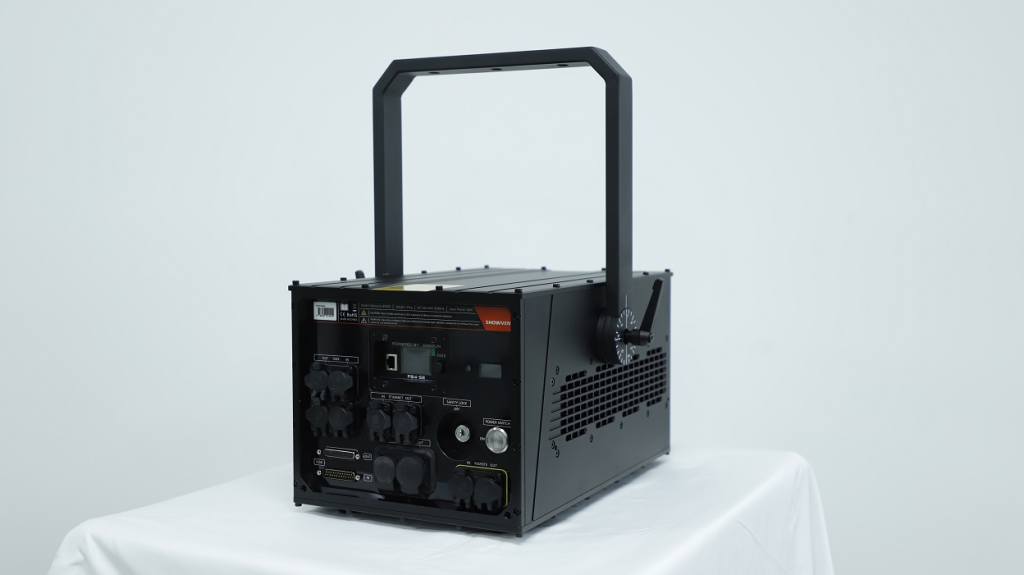
Compare that to yesterday’s toolset. Older rigs brighten, dim, and drift; modern lasers adapt, verify, and report. Durable optics, better heat paths, and smarter power converters keep output stable over longer cycles, while software profiles reduce the guesswork for beam safety zones. The insights so far are clear: precision beats brute force, maintenance counts as much as brightness, and integrated control wins the long game. If you’re choosing your next system, use three metrics to cut through the noise: 1) beam quality over time (watch divergence and stability after 100+ hours), 2) operational overhead (setup steps, recalibration frequency, and fault logs), and 3) control integration (latency, sync with timecode, and fail-safe behavior). Keep those three in view—and the city will, too. For deeper technical references and product architecture, see Showven Laser.